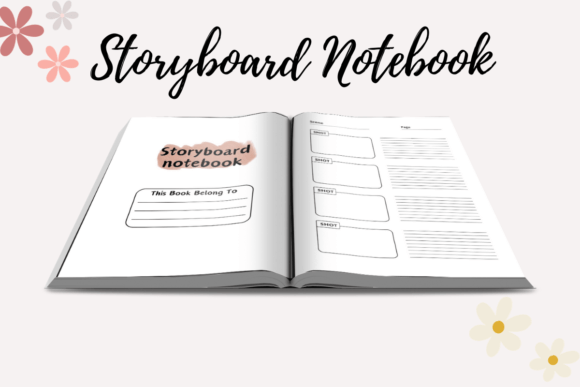
Structuring Creative Vision: The Undue Storyboard Notebook KDP Interior for Modern Thinkers
Every visual project begins as a scattered collection of ideas. Whether you are mapping out a short film, designing a marketing campaign, outlining a graphic novel, or simply organising a complex presentation, the gap between an initial spark and a coherent narrative can be surprisingly wide. That is where a dedicated storyboard notebook becomes more than a sketchbook—it becomes a strategic tool. The Undue Storyboard Notebook KDP Interior exists precisely for this moment, offering a structured yet flexible framework that aligns with how visual storytellers and creative professionals actually work.
Designed for self-publishing through Kindle Direct Publishing, this interior provides a practical, no-distraction canvas. It acknowledges that creators today need assets that integrate smoothly into digital platforms while feeling substantial in printed form. The simplicity of a well-considered storyboard template is easily underestimated, but its impact on clarity, productivity, and the final quality of a project can be significant.
The Quiet Evolution of Pre-Production Planning
Storyboarding itself has travelled far beyond its animation and film roots. Instructional designers, UX researchers, video podcasters, and even software developers now rely on panel-based planning to lock down user flows, message sequences, and emotional arcs. What changed is not the core concept but the accessibility of the tools. Previously, buying a purpose-built storyboard pad often meant visiting a niche art supply store. Today, creators expect high-quality interiors that can be printed on demand or kept as reusable digital masters, fitting an on‑the‑go, cross‑device lifestyle.
This shift is most evident inside the self-publishing community. On platforms like KDP, concept authors and visual planners are no longer passive consumers of generic stationery. They produce interiors that solve specific problems—like the need for a consistent thumbnail layout, enough room for annotation, and a ratio that echoes standard digital displays. The Undue Storyboard Notebook KDP Interior lands at the heart of this evolution, providing a thoughtfully proportioned spread that doesn’t force creators into awkward page setups.
Why a Dedicated Storyboard Notebook Changes the Workflow
Scratch paper, dotted journals, and random note apps can capture fragments of a scene. But scattered fragments rarely assemble themselves into a persuasive sequence. A dedicated notebook trains the brain to think in panels, to consider visual rhythm, and to spot pacing issues early. The physical act of drawing or roughly sketching inside uniform frames reduces cognitive load. Creators stop worrying about borders and layout, and instead pour energy into composition, dialogue placement, and camera angle decisions. That subtle focus shift is often what separates a rushed storyboard from one that genuinely guides a production.
Another practical advantage is archival simplicity. A single bound storyboard book becomes a self-contained project record. Three months later, when you revisit a campaign or a video series, you can trace decisions back to their visual origin. There is no digging through loose sheets or buried digital folders. For freelancers and small studio owners, this one habit can improve client communication, as sharing a well-kept storybook builds immediate trust in the planning process.
Blending Old-School Tactility with Digital Efficiency
Ironically, as screens dominate creative tools, many professionals rediscover the value of thinking on paper first. Hand‑drawn storyboards encourage more spontaneous ideation and reduce the temptation to pixel‑perfect a frame before the sequence is strong. The Undue Storyboard Notebook KDP Interior caters to that hybrid mindset. Once sketches are solid, individual pages can be scanned or photographed for digital refinement in a deck or editing timeline. The 8.5×11 inch format is intuitive here—it matches a standard scanner bed, copier, and tablet screen orientation when propped in landscape mode. That deliberate size choice removes friction when moving between analog and digital stages.
Inside the Undue Storyboard Notebook: What Creators Actually Get
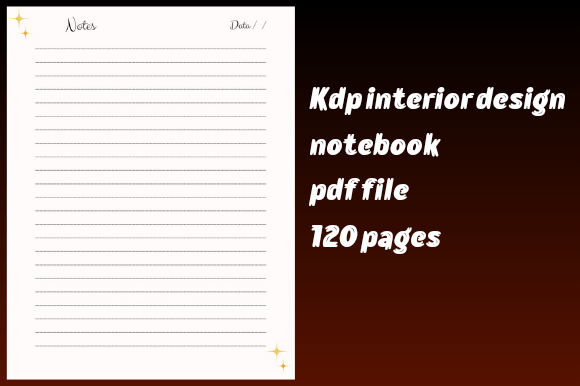
Understanding the file details helps set realistic expectations. The package is a PDF file ready for upload or print, specifically prepared to meet KDP’s trim and margin requirements. That means no panicked reformatting, no unexpected bleed adjustments, and no trial-and-error uploads. For someone managing multiple book projects or launching a branded stationery line, this ready‑made compliance saves hours. The interior dimensions are set at 8.5×11 inches, a familiar North American letter size that feels expansive enough for detailed framing while remaining portable in a binder or standard bag.
With a total of 120 pages, the notebook strikes a considered balance. It provides enough capacity to storyboard a short film, a four‑part video course, or an entire quarter’s marketing content without feeling overly bulky. At the same time, 60 double‑page spreads prevent the psychological barrier of a massive, intimidating volume. Creators often report that 120 pages is the sweet spot where progress becomes visible within weeks, sustaining momentum on longer projects. The interior is purposefully clean; there are no jarring graphics or cluttered headers that compete with the user’s own vision.
A Closer Look at Page Structure and User Experience
While storyboard notebooks differ in their grid choices, the most usable ones offer a consistent panel layout paired with dedicated space for scene numbers, shot descriptions, and timing notes. The Undue Storyboard Notebook KDP Interior follows this principle. By keeping the template supportive without being prescriptive, it leaves room for a filmmaker’s technical notes, a marketer’s call-to-action markers, or an illustrator’s emotional beats. That adaptability makes the interior relevant across a diverse spectrum: an educator sketching explainer sequences, a game designer prototyping a cutscene, or a podcaster mapping visual assets for a YouTube episode.
The 120‑page count also carries a hidden productivity benefit. It encourages a mini‑milestone approach. You can roughly allocate specific page ranges for acts, episodes, or campaign phases. This visual partitioning helps teams stay on scope and prevents story drift—something that often happens when creators work on endless digital canvases that never signal “done.”
Why the KDP Interior Model Has Become the Default for Creators
The old route—design a notebook, find a printer, manage inventory, ship products—demanded money and time that most independent creators do not have. Kindle Direct Publishing altered that dynamic by allowing anyone to offer a print‑ready interior. The Undue Storyboard Notebook KDP Interior uses this model elegantly. A person who wants to sell a storyboard journal under their own brand can purchase this interior, combine it with a custom cover, and publish without ever touching physical stock. For personal use, the PDF can simply be printed as many times as needed, creating a renewable creative resource.
This flexibility matches the portfolio career reality of the 2025 creative landscape. Many storytellers toggle between client projects, personal brands, and teaching. A single interior purchase that serves double duty—personal productivity and potential product creation—aligns with the practical, hands‑on mindset the most successful independents cultivate.
The Importance of Thoughtful File Preparation
The phrase “ready for upload or print” might sound like a small promise, but anyone who has wrestled with Amazon’s KDP formatting checker knows its weight. PDFs that get rejected due to margin overages, low resolution, or transparency layers can disrupt product launch schedules. This interior has been prepared with those subtleties in mind. The 8.5×11‑inch template respects safe print areas, so creative marks won’t disappear into the binding gutter. For the end user, that translates into confidence: what you see on screen during a sketch transfers faithfully to the physical page.
This degree of care reflects a wider trend in content creation assets—people expect interiors that are not just visually appealing but technically sound. The Undue Storyboard Notebook KDP Interior is quiet evidence that design and engineering coexist in the stationery space.
Practical Applications Across Different Creative Roles
Let’s bring this into real workflows. Consider a freelance marketing consultant who needs to pitch a multi‑video social campaign to a health‑tech client. Instead of scrambling to compile a random slide deck, she prints sections of this notebook and sketches each video’s framing, text overlay positions, and emotional beats in the storyboard panels. She annotates next to each frame the intended viewer reaction. The physical artifact becomes part of the presentation, often sparking richer discussion because it shows deliberate thinking, not just templated solutions.
In a different setting, an independent filmmaker uses the same interior to block a ten‑minute short. She fills eight spreads with rough compositions during location scouting, then goes back with a red pencil to mark camera moves. Because the notebook is numbered and bound, her director of photography can quickly reference the sequence without huddling over a glowing laptop on set. Later, the scanned pages appear in the crowdfunding campaign update, giving backers a transparent look into the production process. This kind of dual‑use behaviour—personal planning tool and public demonstrate of professionalism—is made possible by the interior’s clean appearance and generous page count.
Educators and Facilitators Rethinking their Lesson Design
Storyboard notebooks also slip naturally into learning environments. A UX design instructor can ask students to storyboard a user’s emotional journey before touching any prototyping software. The 120‑page interior gives each student enough material for multiple iterations across a semester, and the 8.5×11 format means scanned submissions fit easily into grading portals. Facilitators leading design sprints have found that giving every participant the same storyboard template accelerates alignment, as the uniform panel structure allows teams to compare ideas apples‑to‑apples without debating layout choices.
Even outside formal education, bloggers exploring video content or entrepreneurs documenting their product creation journey benefit from sequential visual thinking. They can storyboard a behind‑the‑scenes video, a loom walkthrough, or a personal brand reel. The light structure of the notebook provides accountability without creative handcuffs.
How the 120‑Page Count and Letter Size Shape Daily Habits
Physical dimensions subtly influence creative behaviour. At 8.5×11 inches, these pages invite you to spread out and think expansively, yet they slip easily onto a desk without dominating it. The size is large enough to accommodate detailed thumbnails and small written comments, but it doesn’t feel wasteful if a few panels are left sparse. This encourages test sketches and discardable drafts—the kind that often lead to breakthroughs. Compare that with a small A5 notebook, where the pressure to make every inch count can inhibit exploration.
The 120‑page volume also plays a psychological role in project completion. Knowing that the notebook has a natural end point can motivate a commitment to fill it. One videographer described filling one entire notebook per quarter, each becoming a dated record of shifting style and growing skill. When you tie a tool to a specific timeframe, it becomes a growth tracker as much as a production aid. The Undue Storyboard Notebook KDP Interior facilitates that unintrusively—it doesn’t force daily prompts or rigid systems, so the user defines the rhythm.
What Makes a Storyboard Interior Relevant in an AI‑Augmented Era
With generative image tools and video storyboard software on the rise, some might wonder if a physical notebook feels obsolete. The opposite is turning out to be true. Many creators now use a hybrid pipeline where the initial emotional beats and story structure are roughed out by hand, then handed off to an AI tool for style exploration. The hand‑drawn frames serve as a clear, copyright‑safe reference that reduces the ambiguity in AI prompts. A scrawled panel with a stick figure and a directional arrow often communicates intent faster than a paragraph of text prompt, cutting down iteration cycles.
Additionally, strategists and content designers report that sketching by hand during brainstorming helps teams stay present and avoid premature polishing. When no one is distracted by fonts, colour swatches, or vector tweaks, the conversation stays anchored in narrative and audience benefit. The Undue Storyboard Notebook KDP Interior becomes a neutral meeting ground—a blank‑enough space where the story leads, not the tool.
Integrating the Notebook into a Sustainable Creative System
A storyboard notebook delivers the most value when it isn’t an isolated gadget but part of a repeatable process. One proven approach is the “story‑first” sprint: set aside one hour to rough‑out the full sequence on paper, then digitally refine only the strongest sections. Using the ready‑to‑upload PDF avoids the hassle of designing the template oneself, allowing creators to jump directly into idea capture. For those who publish interiors commercially, the seamless integration with KDP means that test prints can be ordered quickly to check paper feel and binding before offering a product to the public. This low‑risk experimentation matches the lean methodology that entrepreneurs and freelance educators advocate.
It’s worth noting that not every project demands a storyboard. But for explainer sequences, narrative‑driven ads, course curriculum flows, or any work where timing and visual progression matter, this type of notebook repays the investment quickly. The cognitive lift of pre‑planning usually reveals itself when you reach the editing stage and discover that out‑of‑order shots, missing coverage, or tonal mismatches have been caught early. In that sense, the notebook functions as a cost‑saving instrument.
Recognising Quality in a Crowded Template Market
Marketplaces are full of interiors, but the difference between a template that is merely drawn and one that is truly prepared for professional use often lies in under‑the‑hood details: correct page numbering, no clipping on inside margins, high‑resolution line work, and appropriate white space for binding. The Undue Storyboard Notebook KDP Interior pays attention to these factors. Users who have previously been burned by blurry panels or missing gutters will immediately notice the reliability. For a busy professional, trust in a product’s printability saves mental bandwidth and prevents embarrassing proofing errors.
The inclusion of a single, flexible panel layout rather than a confusing mix of different grid styles across pages also proves practical. A filmmaker who wants shot‑list consistency across 120 pages doesn’t want their page 47 to suddenly switch to a three‑column layout. Uniformity, when thoughtfully designed, becomes a creative asset rather than a limitation.
From Portfolio to Practice: A Note of Thanks
When the product description includes a warm gesture like “Thank you for visiting our portfolio”, it hints at the maker behind the asset. That personal touch resonates with creative purchasers who often value the intent of a tool as much as its specifications. Whether you are purchasing this interior to support your own publishing brand or adopting it as a personal studio companion, you are stepping into a community that treats planning as a serious—and enjoyable—discipline.
In the end, a storyboard notebook doesn’t need to promise miracles. Its true worth lies in how reliably it disappears during use, leaving only the story and the creator’s vision. The Undue Storyboard Notebook KDP Interior achieves that elegantly, with a clean 8.5×11‑inch presence, 120 pages of consistent panels, and a practical PDF format that respects both the DIY print enthusiast and the self‑publishing entrepreneur. For anyone whose work depends on transforming fragments into stories, that quiet reliability makes all the difference.