Understanding Supply Costs and KDP Interiors for Self-Publishing Success
Stepping into the world of self-publishing through Amazon Kindle Direct Publishing, or KDP, can feel like learning a new language. Terms like supply costs, bleed, trim size, and print-ready PDFs get thrown around, and for someone just wanting to see their book in print, it can quickly become overwhelming. But behind every professionally printed book sits a well-prepared interior file—the digital backbone of your physical product. Understanding what a KDP interior is, how supply costs work, and why pre-made digital templates can save you both time and money is essential whether you're publishing your first journal or your tenth workbook series.
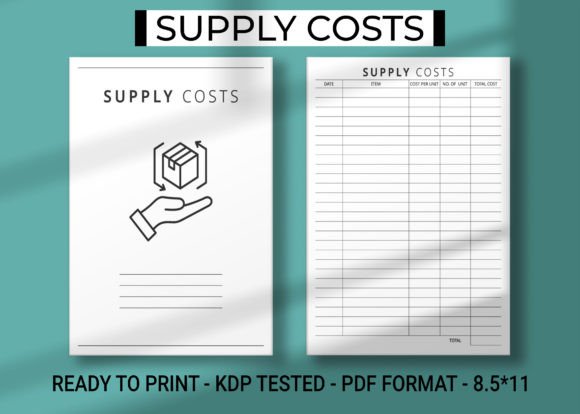
In this article, we'll walk through the fundamentals of supply costs KDP interior files, what makes an interior truly print-ready, and how the right digital assets can streamline your entire publishing workflow. We'll also look closely at a fully prepared interior package—the kind that includes editable AI files, high-resolution PDFs, PNG files, and a KDP-tested layout—so you can understand exactly what you're getting and why each component matters.
What Exactly Is a KDP Interior?
A KDP interior is the complete internal content file of your book formatted and saved in a way that meets Amazon's printing specifications. Think of it as the digital blueprint that Amazon's printing machines read to produce your physical book. This file includes everything a reader sees when they open the cover: title pages, introduction pages, chapter headings, body text, page numbers, images, and any decorative elements.
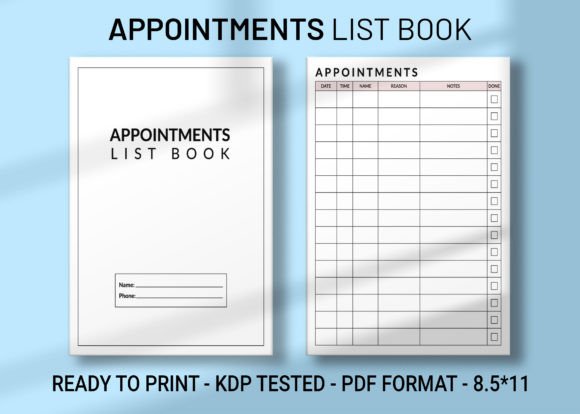
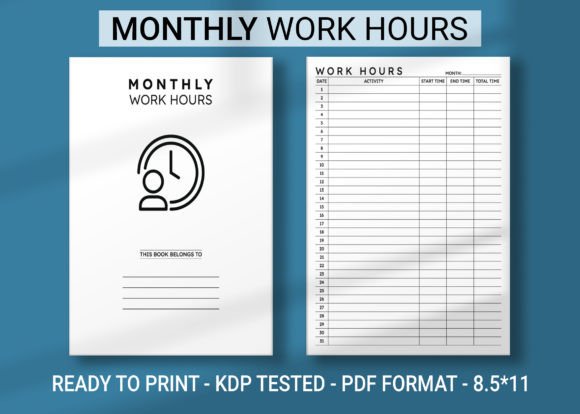
For a print-on-demand book, your interior file must be sized precisely to your chosen trim size—in this case, 8.5 x 11 inches—and formatted with the correct margins, gutters, and bleed settings. If any of these specifications are off by even a fraction of an inch, Amazon's system may reject your upload, or worse, you could end up with printed copies where text runs too close to the spine or images get cut off unexpectedly. A properly prepared interior avoids all of that heartache before it begins.
The distinction between a KDP interior and a simple Word document is significant. A document meant for screen viewing doesn't account for physical binding, ink density, or paper types. A properly prepared interior does all of that and more, ensuring that what you see in your proof copy matches your creative vision.
The Role of Supply Costs in Print-on-Demand Publishing
When you publish through Amazon KDP, you encounter the term supply costs during the pricing setup of your book. Supply costs refer to the base manufacturing expense Amazon charges to print one copy of your book. This cost is calculated based on factors including page count, ink type—black-and-white versus full color—trim size, and whether your book requires bleed. Understanding this number is crucial because it directly affects your royalty calculation.
For a book with 120 total pages printed in standard black ink on white paper at an 8.5 x 11-inch trim size, the supply cost per unit will be determined by Amazon's current printing rate card. The more pages your book contains, the higher the manufacturing cost per copy. This is why formatting efficiency matters: a clean, well-organized interior with a thoughtful page count keeps your supply costs manageable while still delivering a quality product to your customer.
Many new publishers overlook the connection between interior design and ongoing production expenses. A poorly optimized interior might add unnecessary blank pages, inflate the page count through inefficient layout choices, or require color printing where black-and-white would have sufficed—all of which increase your supply costs and eat into your profit margin per sale. Using a professionally designed interior that is already tested and optimized helps you avoid these costly mistakes from the start.
Why Pre-Made KDP Interiors Matter for Publishers
The self-publishing community has grown exponentially, and with that growth has come an ecosystem of tools and resources designed to make the publishing process more accessible. Pre-made KDP interiors fall squarely into this category. These digital files are created by experienced designers who understand Amazon's technical requirements inside and out. For a publisher—whether you're an individual creator or someone managing a portfolio of low-content and medium-content books—pre-made interiors remove the steep learning curve of professional formatting software.
Here's what makes a quality pre-made interior package so valuable:
- Time savings: Formatting a 120-page book from scratch in Adobe InDesign or similar software can take hours, even for experienced users. A pre-made file lets you jump directly into content customization.
- Technical compliance: KDP has specific requirements for PDF files, image resolution, and bleed settings. A pre-made interior that is labeled KDP tested means the file has already been successfully uploaded and approved by Amazon's system, removing the trial-and-error phase.
- Consistency across books: For publishers building a brand or a series, maintaining a consistent visual experience across titles strengthens reader recognition. Pre-made templates with editable source files let you establish that consistency without redesigning every page from scratch.
- Lower upfront investment: Hiring a designer for a custom 120-page interior can cost hundreds of dollars. A thoughtfully created template package provides professional results at a fraction of that cost.
For anyone operating in the print-on-demand space, these benefits directly translate to a smoother business operation and faster time-to-market for new book ideas.
Breaking Down What's Included in a Complete Interior Package
Not all KDP interior files are created equal. A comprehensive package should provide everything you need to go from download to upload without hunting for missing pieces or converting file formats. Let's walk through the components that make a particular 120-page, 8.5 x 11-inch interior with bleed a strong example of what publishers should look for.
Editable AI File for Full Creative Control
The inclusion of an editable AI file—Adobe Illustrator's native format—gives you access to the source vector file. This matters because vector graphics scale perfectly to any size without losing quality, and every element in the file remains independently editable. You can adjust colors, reposition text boxes, swap out graphic elements, and tailor the design to your specific book topic. For publishers who want to add their own branding or modify the interior to match a series aesthetic, having the AI file is non-negotiable.
Even if you don't currently use Adobe Illustrator, having access to the source file means you can work with a designer later who can make changes on your behalf, or you can learn the software at your own pace knowing the foundation is already built for you.
High-Resolution PDF Files Ready for Direct Upload
The PDF file is the format KDP actually accepts for upload. A high-resolution PDF ensures that text remains crisp, lines stay clean, and any decorative elements print clearly. The standard for print-ready files is typically 300 DPI—dots per inch—which guarantees professional output on Amazon's printing equipment. When a file is described as Ready to Upload, it means the PDF has been generated using the correct export settings, including proper compression, color profiles, and embedded fonts, so you can submit it to KDP immediately without additional processing.
This step—having the PDF truly ready to go—is where many beginners stumble. Exporting a PDF with incorrect settings can introduce font substitution issues, reduce image quality, or strip bleed from the file. A pre-exported, high-resolution PDF eliminates that entire category of potential errors.
High-Resolution PNG Files for Flexibility
Alongside the vector and PDF formats, PNG files provide high-resolution raster images of individual pages or design elements. PNGs are particularly useful when you want to preview your content before finalizing the PDF, share page samples on social media to promote your upcoming book, or create marketing materials like mockups and promotional graphics. Because PNGs support transparent backgrounds, they integrate smoothly into a wide range of design projects outside the book itself.
For publishers who build their own book descriptions on Amazon or create A+ Content for their product pages, having clean, high-resolution page images can make the difference between a listing that looks amateurish and one that builds buyer confidence.
The Significance of a 120-Page Structure with an Intro Page
A 120 total page count positions a book comfortably in the range that buyers perceive as substantial without feeling overly bulky. For journals, workbooks, logbooks, and planners, 120 pages strikes a practical balance between usability and production cost. The inclusion of an intro page adds a professional touch, giving you space to welcome the reader, provide usage instructions, include copyright information, or set the tone for what follows.
From a supply cost perspective, every page adds to your manufacturing expense, so a deliberately chosen page count helps you price your book competitively while maintaining healthy royalties. A 120-page structure also keeps the spine width manageable on an 8.5 x 11-inch book, which matters for how the final product sits on a shelf or in a customer's hands.
Why Bleed-Ready Formatting Matters
When a KDP interior is marked as with bleed or bleed-ready, it means the design extends beyond the trim edge of the page to account for slight cutting variations during printing. Amazon trims books to their final size after printing, and a tiny shift—even a millimeter—can leave a white strip along the edge of a page if bleed wasn't included in the file. Bleed-ready formatting removes this risk by extending background colors, patterns, and images past the trim line so that the finished product looks polished from edge to edge.
On an 8.5 x 11-inch trim size, the recommended bleed setting under KDP guidelines typically adds 0.125 inches to each outer edge, resulting in a document size of 8.625 x 11.125 inches before trimming. A file that has already been formatted to these exact specifications saves you from having to understand and manually apply bleed settings. It is one of the most common rejection reasons for first-time uploaders, so having this handled from the start is a significant advantage.
KDP Tested: Confidence Before You Upload
The phrase KDP tested carries real weight. It indicates that the exact file provided has been uploaded to Amazon Kindle Direct Publishing and successfully passed the automated review process. This testing verifies that the interior meets all technical requirements, including proper margins, acceptable image resolution, correct page sizing, and compliance with bleed guidelines. For a publisher working against deadlines or launching multiple books simultaneously, knowing a file has already cleared Amazon's checks removes a substantial source of uncertainty.
Even seemingly minor issues—like a single low-resolution image or text placed too close to the edge—can trigger a file rejection. A tested file means those potential setbacks have already been identified and resolved before you ever download the product.
How This Interior Fits Into Your Publishing Workflow
Imagine you have an idea for a guided journal or a daily planner aimed at a specific audience. You've researched your niche, developed your concept, and you're ready to create. The typical workflow without a pre-made interior involves either learning layout software from scratch or hiring a designer, waiting for revisions, testing the upload, fixing rejection issues, and repeating until approved. This back-and-forth can take days or weeks.
With an interior package that includes an editable source file, a high-resolution PDF, and supporting PNG assets—all KDP tested and bleed-ready—your workflow shifts dramatically. You open the editable file, customize any text if needed, export or simply use the provided PDF, and upload. Within minutes, you go from concept to a live listing. For serial publishers who produce multiple titles, this efficiency is what allows a business to scale. Instead of spending time on technical formatting, you can focus on marketing, content ideation, and building your audience.
The 8.5 x 11-inch format deserves special mention because of its versatility. This larger trim size is ideal for workbooks that benefit from spacious layouts, children's activity books, educational materials, and planners that need room for detailed daily entries. The format feels substantial in the hand, communicates value to the buyer, and stands out among the standard 6 x 9-inch competition.
Common Questions About KDP Interiors and Supply Costs
Many newcomers wonder whether they truly need a professionally designed interior for a book that contains mostly simple layouts. The answer depends on your goals. If you're publishing a single book as a personal project, the learning experience of formatting your own interior might be worthwhile. But if you intend to sell books consistently and build a brand, the professional presentation becomes a competitive advantage. Buyers judge books by their interiors, often subconsciously, and a clean, well-proportioned layout signals quality and care.
Another common misunderstanding involves the relationship between interior design and supply costs. Some publishers assume that supply costs are fixed and unaffected by formatting decisions. In reality, page count is one of the primary drivers of manufacturing cost, and thoughtful design can sometimes reduce total pages without sacrificing content. Additionally, choosing between color and black-and-white printing fundamentally changes your per-unit cost. A pre-made interior designed for standard black ink printing keeps you on the most economical printing tier while maintaining a professional appearance.
When considering digital files described as designed with publishers in mind, look for packages that prioritize ease of use alongside quality. The best interiors function as a bridge between creative vision and Amazon's technical infrastructure, handling the complex specifications so you can stay focused on what you do best: creating content your readers will love.
Final Thoughts on Choosing a KDP Interior That Works
Navigating the self-publishing landscape requires a blend of creative energy and practical decision-making. The digital files you choose for your book's interior sit at the intersection of both. A well-crafted KDP interior reflects your professional standards, ensures a smooth upload process, and directly impacts your ongoing supply costs through efficient page count and format choices. Whether you're publishing low-content books like journals and planners or medium-content projects like workbooks and activity guides, starting with files that are editable, high-resolution, bleed-ready, and KDP tested gives you a foundation built on reliability rather than guesswork.
The specific package containing an editable AI file, print-ready PDF, high-resolution PNGs, a 120-page structure with an intro page, and full bleed at 8.5 x 11 inches represents exactly what experienced publishers look for: completeness, flexibility, and proven compatibility with Amazon's platform. When your interior files are genuinely ready to upload, publishing becomes less about wrestling with technical requirements and more about sharing your work with the world.
As you continue building your publishing catalog, keep supply costs in mind as a variable you can influence through smart design choices. Each decision—from page count to ink type to trim size—ripples through your pricing strategy and profitability. Armed with the right interior files and a clear understanding of how they function within the KDP ecosystem, you're well-positioned to create books that look professional, sell consistently, and keep your production costs where you want them.