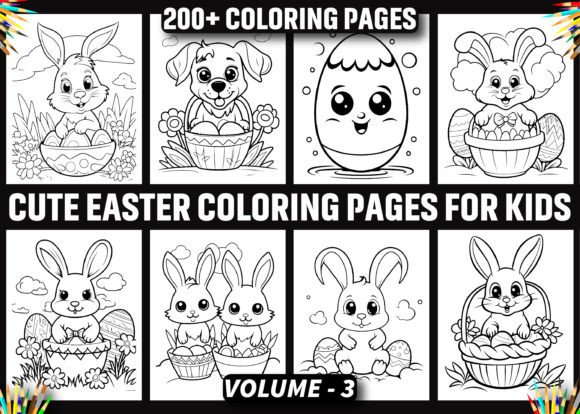
Unlocking the Value of 300 Cute Easter Coloring Pages for Kids in Your KDP Business
Easter represents one of the most reliable seasonal spikes in consumer buying patterns, and physical products built around the holiday consistently find eager audiences. For independent publishers on Amazon’s Kindle Direct Publishing, timing and quality are everything. That’s why a ready-to-use collection like 300 Cute Easter Coloring Pages for Kids is far more than just a bundle of black-and-white illustrations—it’s a streamlined path to launching a profitable, low-maintenance print-on-demand book. This resource arrives in a single .zip file containing PDF, PNG, and JPG formats, meticulously formatted at 8.5” x 11” with 300 DPI resolution, and it’s already tested and proven on the KDP platform. The days of spending weeks creating, tracing, or cleaning up disparate clip art are over; with this collection, you can build a unique interior, pair it with the included 20 free cover images, and have a book live in days.
The core appeal isn’t just about saving time—it’s about meeting a clear, predictable market demand with a product that feels fresh, professionally crafted, and genuinely cute. Parents, teachers, and caregivers are constantly hunting for new, high-quality activities to keep children engaged, especially during holiday seasons. The word “cute” in this context signals approachable, whimsical, and child-friendly designs that avoid overly complex or frightening imagery, which is precisely what the bulk of the market wants. What often gets overlooked is how difficult it is to curate 300 distinct illustrations that maintain a consistent style, scale properly for an 8.5” x 11” trim size, and remain completely print-ready without bleeding issues or odd margins. This product solves that entire headache for publishers, hobbyists, and even educators who want to create custom activity booklets.
The Evolution of Ready-Made KDP Interiors and Why Seasoned Creators Pay Attention
A few years ago, many KDP sellers approached coloring books by either hand-drawing all art themselves or stitching together incompatible third-party assets. The results often looked disjointed, and the technical headaches—like ensuring every page was truly 300 DPI, properly grayscale, and free of faint background artifacts—led to returns or bad reviews. As the low-content publishing space matured, so did the market for pre-made interior bundles. Initially, there was skepticism: would everyone resell the exact same book, leading to a race to the bottom? Experience has shown that while thousands of sellers may purchase similar assets, the final product differentiation comes from the title, subtitle, cover design, description, and niche positioning. 300 Cute Easter Coloring Pages for Kids Volume – 3 represents the next stage of that evolution—a volume so intentionally sized that even within a saturated niche, the sheer variety lets you craft a truly distinctive book. You might select 150 pages for a “Toddler’s First Easter Coloring Book,” use another 50 for a slightly older kid’s version, and still have leftover art for other projects or future volumes.
People are paying closer attention to this model because it’s an accessible business entry point that respects real-world creative constraints. Not everyone can draw, and not everyone has the time to learn digital illustration. But many professionals—bloggers, freelance designers, marketing specialists, and entrepreneurs—have the insight to identify market gaps and the skills to market effectively. This bundle gives them the manufacturing piece, allowing them to act as a publisher rather than a struggling artist. And the fact that it’s fully tested in the Amazon KDP platform matters. Uploading a new interior only to get slapped with a rigid margin error or a “non-flattened content” flag can derail a launch timeline. The download being “print ready” across PDF, PNG, and JPG isn’t just marketing fluff—it means the technical checks have been done, which reduces the operational friction that often kills momentum for new KDP creators.
Why 300 Pages Matter More Than You’d Think
On the surface, offering 300 coloring pages might seem like overkill, but it solves a deep customer psychology problem. Shoppers compare page counts obsessively. A book with 50 pages might struggle to command a premium price point, while a book that lists 100+ unique illustrations feels substantial and justifies a higher listing price. With 300 pages at your disposal, you can comfortably publish a book containing 100 to 200 pages and still leave buffer designs for a sequel volume, a holiday bundle, or a free lead magnet on a blog. This bulk also addresses the consistency challenge: rather than stretching a few dozen cute bunnies and eggs across an entire book, you can maintain novelty from first to last page. That novelty keeps kids engaged and encourages repeat purchases from parents who notice the care. For an entrepreneur building a brand, that level of perceived value can lead to organic word-of-mouth—one parent shares a photo of a beautifully shaded chick, and another asks where the book came from.
Another practical implication is how Google and Amazon algorithms interact with long-term category authority. A well-constructed coloring book that benefits from low return rates, positive reviews, and consistent sales signals the algorithm that your brand is trustworthy. Using a huge pool of professional-grade designs makes it easier to maintain quality across multiple titles, building a catalog that feeds back into itself. Instead of scrambling each season to commission new artwork, you can plan a release schedule for Easter 2024 and beyond, mixing and matching designs from this volume to create “Easter Animals,” “Easter Egg Mandalas,” or “Cut and Color Easter Decorations.” The volume becomes a creative well you can return to repeatedly, turning a one-time purchase into a long-term asset.
Seamlessly Combining Current Trends in Children’s Activities with Digital Creation Tools
Parents and teachers are integrating screen-free creative time with broader conversations about mindfulness and cognitive development. Coloring is no longer just something to keep a child quiet on a rainy afternoon; it is recognized as a developmental tool that strengthens fine motor skills, fosters concentration, and provides sensory regulation. The designs in a cute Easter collection tap into that positive perception. They are not merely decorative; they become instruments of learning and calm. For the publisher, this means you can market the finished book not only as entertainment but as a resource for parents seeking meaningful, seasonal activities. The inclusion of 20 free cover images further aligns with modern workflows—digital mockup tools allow you to see how the cover will look in an Amazon listing, on a smartphone screen, or held in a lifestyle photo. Those cover images, created by the same designer who crafted the interiors, ensure a cohesive visual brand that speaks to quality, which is exactly what a discerning customer scrolling through dozens of search results will respond to.
Technology shifts have also changed how sellers bring books to market. Services like KDP Print, IngramSpark, or even Etsy integration for printable downloads mean you don’t have to lock yourself into one sales channel. The downloadable .zip contains JPG and PNG files that can be individually sold as printable coloring sheets, bundled into membership sites for teachers, or printed at home by users. The note stating “You can sell on it only Amazon Kindle Direct Publishing” is a standard licensing restriction for the physical book product, but savvy users often clarify whether the license extends to printables. Usually, such a bundle is sold with the understanding that you are creating a finished physical book on KDP, but it’s worth considering how the raw assets could be used to build an audience. For instance, you might post a few sample pages (with the provider’s permission) on Pinterest or a teachers’ blog to drive traffic to your book. The multiple file formats—PDF for direct upload, PNG for high-quality transparency if editing in software like Canva or Photoshop, and JPG for lightweight quick previews—accommodate every step of this adaptive publishing workflow.
Practical Steps for Creating a Unique Book from a Shared Asset Base
The fear that “everyone will have the same book” is often cited but rarely plays out in reality when you approach the project thoughtfully. Start by analyzing the 300 pages. You’ll likely find sub-themes: simple big-eyed animals for toddlers, detailed patterned eggs for older children, maybe scenes with spring flowers and butterflies. Create a content outline that tells a mini-story or follows a progression from easy to challenging. Next, take advantage of the free cover images to design a cover that signals a specific segment—maybe “Easter on the Farm” or “Bunny’s Garden Adventure” — even if the interior has a variety of themes, your cover establishes the niche. Adjust the book’s title, subtitle, and description to match. The high-resolution 300 DPI ensures that whether you print a full-bleed version or one with white margins, edges remain crisp and characters’ lines don’t look jagged. Pay attention to file naming and organization; when you receive the .zip, immediately back it up and create a folder structure that separates different styles. You might find that around 40 pages are perfect for a “Big Easy Easter” book aimed at preschoolers with chunky lines, while others fit a more intricate “Easter Stress Relief” angle for kids who enjoy detailed work. Because you’re not redrawing anything, your time goes into curation and customer understanding—arguably the most profitable skills in KDP publishing.
Test your book before publishing. Use the PDF to create a proof copy through KDP; the “print ready” promise is strong, but always verify that your chosen paper type (white vs cream) and cover finish (matte vs glossy) showcase the black-and-white line art beautifully. Check that the binding doesn’t eat into the designs near the spine. Once you’re confident, list the book and begin building a simple marketing plan: a blog post about fun Easter activities, a Pinterest board of finished colored examples, or a short email to your list. The 20 free cover images can also generate attractive Amazon A+ Content lifestyle graphics. Remember, the goal is to make the final product feel handmade with care, even if the art originated from a pre-made bundle. It’s your market positioning and presentation that define the customer’s experience.
The Professional Edge: Why Resolution, Dimensions, and Format Consistency Win Trust
Experienced KDP publishers know that negative reviews often stem from minute technical flaws. A blurry line here, a pixelated edge there, and suddenly your “cute” book becomes a disappointment. The 300 DPI specification is non-negotiable for print quality, and when a provider highlights it along with exact 8.5” x 11” dimensions, it signals a foundation built on standards. These dimensions align with the most commonly used trim size for children’s coloring books, which helps with perceived value and avoids the awkwardness of an unusual rectangular shape that might look cheap. The inclusion of black-and-white files exclusively is another trust signal—it means you won’t accidentally upload an interior that contains colored elements that look muddy when printed in grayscale. Every file is designed for the final output, no conversion guesswork required.
Beyond the technical, there’s a creative professionalism that surfaces when you can offer a cohesive book. Parents and teachers often scan “Look Inside” previews before purchasing. When they see consistent line weight, adorable expressions that stay cute without creeping into uncanny territory, and a layout that uses the page well, they’re more likely to click “Buy.” The volume number—Volume 3—indicates a series that has evolved through feedback and refinement. For a business owner, that implies fewer design quirks, better proportion control, and a certain maturity in the art style. You’re not paying for a raw, untested set of sketches; you’re investing in a collection refined enough to survive Amazon’s scrutiny and pleasant enough to delight a child.
Building a Sustainable “High Content” Business with Low Content Books
The phrase “high content book business” is a nod to the idea that a simple coloring book, when wrapped in strong branding and marketing, can generate high value. The bundle positions itself perfectly for this model. Unlike a generic interior with a dozen pages, 300 pages give your product serious heft. Pair it with reviews generation strategies (early reader copies, for instance, though mindful of Amazon’s policies) and you can build a catalog of seasonal books that yield income year after year. Easter comes annually; once your book is live, you can set a modest advertising campaign in February and March and let the rest happen organically. The test in the KDP platform means the listing process is less likely to flag for content issues, which is a huge time-saver for busy professionals juggling multiple projects. As you grow, you might bundle multiple volumes into a deluxe edition or create spin-off products like matching journals or sticker books using the same art style, but that’s optional.
Many people underestimate the speed advantage. From purchase to publishing, the timeline can be under 48 hours if you work efficiently, thanks to the lack of editing or design-intensive steps. This speed is invaluable for entrepreneurs testing market segments; you can launch a short-run Easter book for a specific country or language, see performance data, and then pivot next holiday. The flexibility extends to other platforms too, though the license note explicitly restricts selling the physical book on Amazon KDP only—knowing the boundaries allows you to plan a content strategy that respects intellectual property while maximizing the asset’s lifespan.
Observations on the Changing Relationship Between Digital Creators and Physical Products
An interesting shift in the last two years is how digital-native creators—social media managers, content marketers, and online course instructors—are increasingly gravitating toward physical products as brand extensions. They recognize that offering a tangible item, even a simple coloring book, deepens the audience connection. A momfluencer with a following of 50k might take these 300 cute Easter coloring pages, design a book under her brand, and offer it as an exclusive item for her community, mailed directly via KDP’s print-on-demand. The illustrations themselves become a form of media, carrying her style and values. This trend moves beyond KDP into a hybrid space where digital influence fuels physical sales. Having a bundle that’s plug-and-play means non-designers can participate without massive upfront investment. It’s a quiet revolution in how micro-entrepreneurs monetize trust, and it depends entirely on accessible, high-quality assets like the one discussed here.
That said, it’s essential to avoid overpromising. Simply listing 300 pages won’t guarantee success; the market still demands good covers, compelling descriptions, and sometimes a modest ad budget. But the risk is lower because the core cost is fixed and relatively small compared to custom illustration. Grounded optimism is appropriate: if you treat this bundle as a strategic tool rather than a magic button, the ROI can be significant over multiple holiday cycles. The real opportunity lies in understanding your buyer—whether a parent looking for screen-free Easter morning activities or a teacher seeking bulletin board art—and delivering exactly what they imagine when they see the word “cute.” With this resource, you can achieve that without ever picking up a pencil.