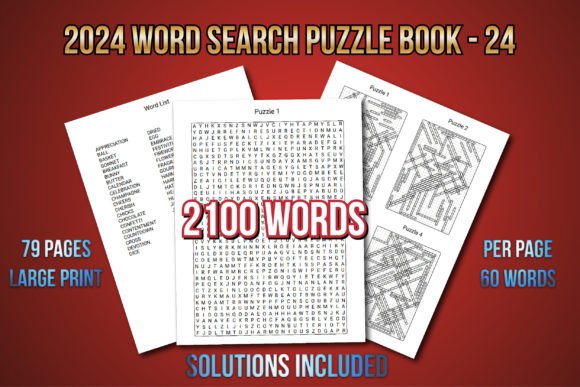
Harnessing the 2024 Ultimate Word Search Collection for Mental Clarity and Daily Focus
Many professionals and creators treat mental well-being as a separate track from their core work—something to squeeze in after hours. The 2024 Ultimate Word Search Collection 24 challenges that assumption. This digital printable puzzle book isn’t just a casual pastime; it’s a structured, repeatable tool for cognitive reset, mindfulness, and intentional downtime. When woven into a daily or weekly routine, it helps sustain the focus that demanding projects, client work, and creative output require. Understanding how this collection fits into real workflows, rather than treating it as a throwaway distraction, makes the difference between fleeting amusement and lasting mental conditioning.
What the Collection Actually Is and Where It Belongs in Your Process
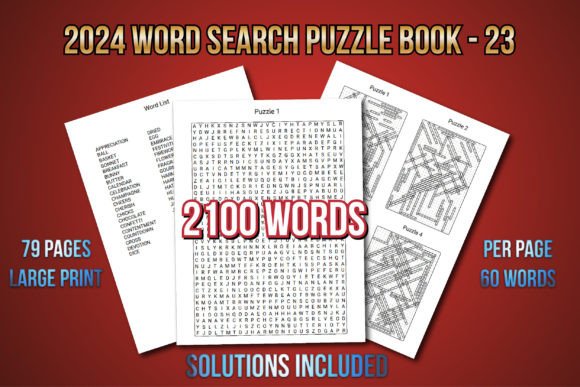
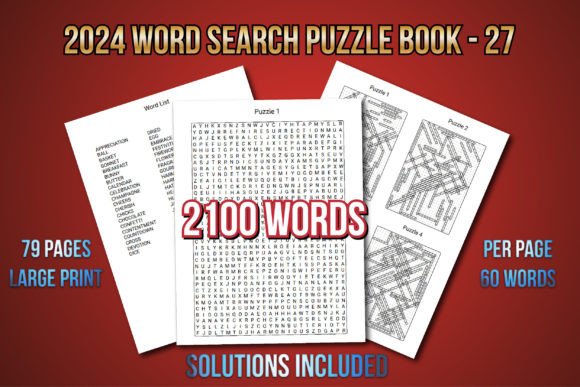
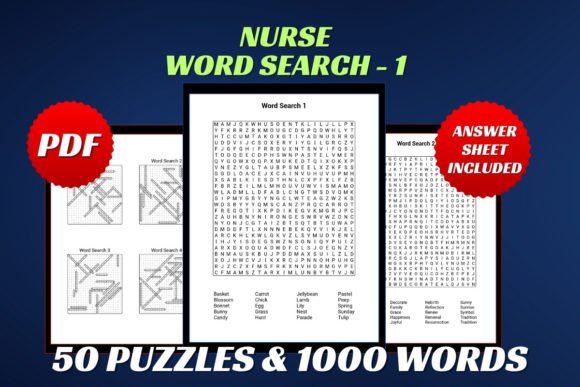
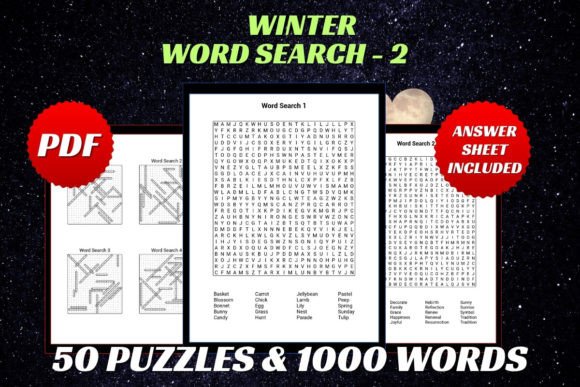
At its core, the 2024 Ultimate Word Search Collection is a meticulously designed set of over 100 unique word search puzzles, delivered as a high-quality PDF for instant download and home printing. But describing it only as a puzzle book undersells its utility. In a practical sense, it functions as a lightweight, analog intervention that can be placed at strategic points throughout your day—before a deep work session to prime concentration, after a draining meeting to reset cognitive fatigue, or during a planned break to replace mindless scrolling. For freelancers, educators, and small business owners who juggle multiple responsibilities, it offers a zero-digital-overhead way to step back and re-center without leaving the workspace.
Consider the “before” phase of a complex task. Opening a word search and locating words forces a gentle, singular focus. This shifts the brain from scattered attention into a more linear, calm state—a ritual that can replace the checking of notifications that often derails momentum. After a high-stakes decision or a long creative session, the puzzles serve as a cool-down activity, helping your mind transition out of intense concentration without the abrupt drop-off that leads to mental exhaustion. The placement matters: near your physical desk, in a planner, or tucked into a project folder for quick access.
Practical Setup: Preparing Your Digital and Physical Environment
Because the collection is a downloadable PDF, the initial step is preparation, and it pays to do this thoughtfully. Download the file immediately after purchase and save it in a clearly labeled folder—something like Printables/Mindfulness or Tools/Cognitive Breaks—so it integrates with your existing resource library. If you use cloud storage for work assets, place a copy in a dedicated “Personal Resources” folder that syncs across devices. This prevents the dreaded “I forgot where I saved it” moments that lead to abandoning resources.
Printing setup is equally important. Decide on a batch size: some users print a single puzzle for the day, setting a tangible intention each morning; others print the entire collection at once and store it in a binder or on a clipboard for grab-and-go access. Use a quality paper stock—around 24 lb or higher—so you can use a pen or highlighter without bleed-through, preserving the visual design. Keep a writing instrument nearby, ideally something smooth that doesn’t require heavy pressure, because the tactile act of circling words should feel effortless, not like another task. This small ergonomic tweak keeps the experience relaxing.
Integrating Word Searches into Creative and Professional Routines
For writers, designers, and marketers, the 2024 Ultimate Word Search Collection 24 doubles as a warm-up ritual that sharpens pattern recognition and verbal fluency. Spend five minutes on a puzzle before drafting headlines, editing copy, or brainstorming campaign concepts. The activity engages the language centers of your brain in a low-stakes way, making the transition into more demanding verbal work smoother. Educators can use individual puzzles as classroom brain breaks or as part of a morning routine for themselves before lesson planning, setting a calm tone for the day.
In a business workflow, the puzzles can be embedded as a standard component of meeting interstitials. If you manage a team and schedule back-to-back calls, printing a puzzle and placing it beside your notebook during a short gap helps you detach from the previous conversation and arrive at the next one with a clear mind. The collection’s diverse themes—travel, nature, food, achievements—also make it easy to choose a puzzle that matches the tone of the work ahead. For instance, a nature-themed puzzle before a strategic planning session could subtly influence a more expansive, creative mindset.
Organizing for Long-Term Use and Avoiding Abandonment
Digital resources often suffer from “download and forget” syndrome. To combat this, treat the collection as a living asset with a simple organizational system. Create a progress tracker: a basic checklist or spreadsheet where you note which puzzle numbers you’ve completed and the date. This turns sporadic usage into a visible, encouraging habit. If you prefer a binder, insert tabs for completed and pending puzzles. Some users even laminate a few favorite puzzles and use dry-erase markers for repeated practice—particularly useful if you want to revisit a challenging layout or theme over time.
Long-term consistency benefits from intentional pairing. Link the puzzle activity to an existing habit that’s already automatic. For example, after you pour your first coffee or tea in the morning, you sit down with one puzzle. After you save and close your main project file for the day, you do a puzzle before checking emails. These anchor moments reduce the friction of decision-making. Because the puzzles are accessible instantly via download, you also have the flexibility to re-print at any time, so mobility isn’t an issue. Keep a folder on your phone’s cloud app to pull up a puzzle during travel or waiting times, even if you only have a notepad to write on.
Using Word Searches as a Cognitive Reset Between Opposing Tasks
Deep work and shallow work require different mental modes, and switching between them can be jarring. The 2024 Ultimate Word Search Collection acts as a transitional buffer. After completing a heavy analytical task—spreadsheets, budgeting, coding—a five-minute word search engages a different cognitive process: visual scanning, vocabulary recall, and pattern matching. This deliberate shift helps clear the mental residue of the previous task, so you approach your next activity with reduced interference. Over time, you may notice improved attention switching and less cognitive fatigue by the end of the day.
Beyond task switching, these puzzles can be a low-stakes checkpoint for mental energy. If you find a particular puzzle unexpectedly difficult or slow, that may signal fatigue you haven’t consciously acknowledged. Use that observation to adjust your schedule—perhaps postponing a demanding meeting or taking a short walk. In this way, the collection serves as both a recovery tool and a subtle self-assessment instrument, integrated into your workflow without disrupting it.
Pairing the Collection with Other Wellness and Productivity Resources
No tool exists in isolation, and the puzzles work best when combined with complementary practices. For individuals who journal, a morning puzzle can precede a few minutes of reflective writing, helping to clear mental clutter before exploring thoughts. In a more structured productivity system, the word search might be slotted as a “meditative pause” between Pomodoro sessions, replacing the typical scroll through social media. Because the puzzles don’t demand a screen, they double as a mini digital detox, reducing eye strain and the cognitive burden of constant connectivity.
Creators and solopreneurs might integrate the collection into their content planning process. A puzzle’s theme could spark an idea for a blog post, social media series, or product name. The occasional dive into a word list centered around “growth” or “innovation” subtly primes associative thinking. While not a direct brainstorming method, it nudges the mind toward wordplay and connection, which can feed into copywriting, branding, or workshop facilitation. In terms of quality control, the consistent visual design across all puzzles ensures that no matter which one you pick, you’re stepping into a reliably calming aesthetic—a small but meaningful factor in long-term adherence.
Maintaining Quality Control and Visual Consistency in Your Routine
One underappreciated aspect of the 2024 Ultimate Word Search Collection 24 is the attention to graphic design. Each page is crafted to be visually appealing, not just functional. This matters more than you might assume: when a resource looks clean and inviting, you’re more likely to return to it. If you’re printing in bulk, take a moment to ensure your printer settings are correct—choose “high quality” or “best” for graphics, and if your printer supports it, use a PDF viewer that renders the designs accurately. A slightly faded or misaligned print can subconsciously reduce your enjoyment, lowering the likelihood of consistent use. Treat the printout as you would any presentation material: you want it to look polished.
For those who involve the puzzles in client-facing or group settings—such as workshop icebreakers, team-building activities, or therapy sessions—the presentation becomes even more critical. You can print multiple copies on sturdy cardstock and keep them in a clean folder. The themes are diverse enough to suit different audiences without feeling childish or outdated, an important consideration when maintaining a professional atmosphere. Because you own the digital file, you have unlimited reprint rights for personal use, which allows you to experiment with different paper types, sizes, or even use the puzzles in a shared team wellness calendar.
Overcoming Common Hurdles: Time, Motivation, and Accessibility
The most common objection to incorporating a puzzle routine is “I don’t have time.” Yet the very design of a word search—no lengthy instructions, no learning curve—means you can engage with it in as little as three to five minutes. The key is to lower the barrier. Rather than framing it as a dedicated “activity time,” frame it as a micro-break that replaces a less beneficial habit. For instance, instead of opening a news site when you feel stuck, you pick up the puzzle page. Instead of staring at the wall during a file export, you scan a few lines. This shift in framing turns a perceived time drain into a time-swap that yields better mental restoration.
Another hurdle is keeping the experience fresh after multiple uses. The collection addresses this through its range of themes and varying difficulty levels. To maintain engagement, rotate through categories based on your mood or the day’s demands, rather than working sequentially. You might reserve easier puzzles for high-stress days and tackle more intricate layouts when your mind is already sharp. Because the PDF is instantly accessible, you can reprint favorites or skip around without penalty, keeping the experience flexible.
Embedding the Practice into a Broader Mental Fitness Strategy
Ultimately, the 2024 Ultimate Word Search Collection functions best not as a standalone novelty but as one layer in a layered approach to mental fitness. Pair it with physical movement, adequate hydration, and proper sleep, and it strengthens your capacity to sustain attention during the workday. Over weeks and months, you may notice that the quiet confidence of calmly finding words carries over into professional situations—improved patience during complex problem-solving, or a steadier hand during high-pressure calls. The practice isn’t about achieving a score; it’s about training a responsive, resilient mind.
For those who measure outcomes, consider tracking a simple metric alongside your puzzle usage: a brief note on your focus level before and after. You don’t need a formal log—just a mental check-in. After a few weeks, patterns may emerge that inform when and how to use the resource for maximum impact. This data-driven, albeit personal, approach aligns with how many professionals already optimize their workflows, making the collection a natural, integrated component of a productivity toolkit rather than an afterthought.